

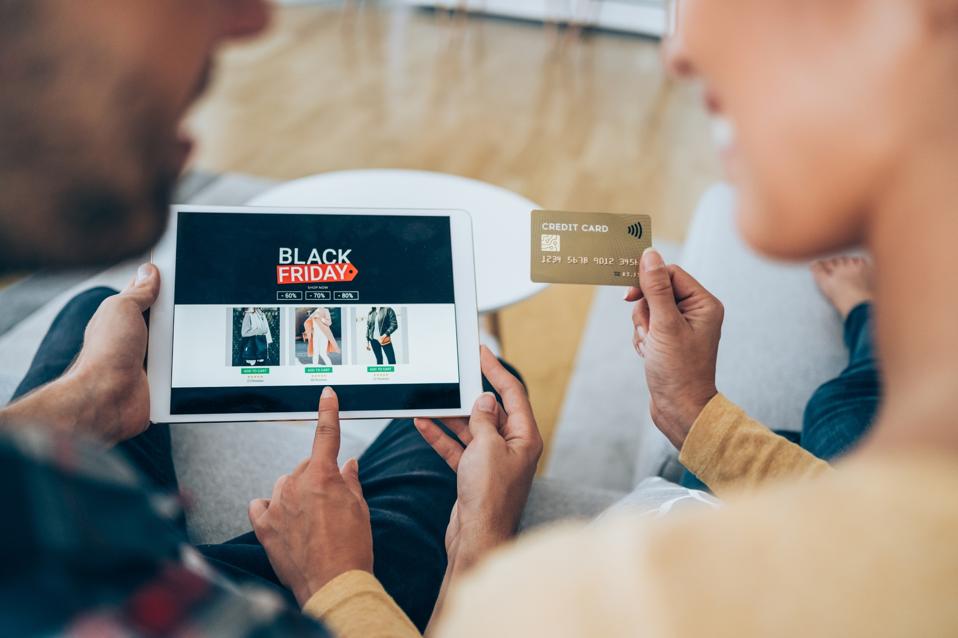
Black Friday is the biggest shopping day of the year. But the rush for big discounts can make you a prime target for fraud and other criminal activity. This article discusses eight ways to protect yourself from common Black Friday scams, ensuring a secure shopping experience and maximized savings.
GETTY
How To Protect Yourself From Black Friday Scams:
1. Verify The URL And Trust Only Official Websites
Some scammers create real-looking websites that mimic major brands, often using logos and designs copied directly from legitimate retailers. The red flags, however, are almost always hidden in the URL, which contain subtle typos, extra dashes, alternate extensions, or misspellings.
For example, scammers may use “rn” instead of “m” in a domain name (say, “Walrnart” instead of “Walmart”) to trick you into thinking that you are in the right place. Or the company name may be the same, but the domain extension (.net, .org, .com) might be different. These fraudsters rely on you ignoring the address bar in your haste to get a potential deal.
Always verify that you are on the correct website. Don’t click links from social media or email ads. Type the official URL yourself directly into your browser or use a retailer’s official mobile app. Before you enter any payment information, double-check that the address begins with https:// (the “s” stands for secure) and that the browser displays a padlock icon. If you don’t see these, abandon the cart immediately.
2. Beware Of Urgent Alerts
Other scams exploit the pressure cooker environment of Black Friday and other sales events. You’ll receive an email or text message claiming there’s a problem with a recent order, a delivery delay, or an issue with account verification. These messages often include variations of “urgent” or “hurry” to make you click a malicious link without thinking.
Treat unsolicited alerts with extreme skepticism. Never click an embedded link in an urgent message. Instead, open a new browser tab or window and navigate the retailer’s or courier’s website. Log in securely to check your order status or account alerts directly. Legitimate companies rarely, if ever, ask you to verify sensitive account information through an urgent link.
3. Question Drastically Low Prices
The most tempting offers can be the most dangerous. If you see a premium product, such as the latest iPhone, a high-end console, or a luxury handbag advertised at 90% off, sound your alarm bells. These are often used as bait for non-delivery scams or attempts to sell counterfeit products.
Remember, if the discount sounds too good to be true, it probably is. When you see ads like these, check third-party reviews, read comments, or verify how many people have purchased the item. You can also search the seller’s name plus the words “scam” or “review” in your browser. Stick to established, official retailers or use highly-rated, verified sellers on major marketplaces. Legitimate seller don’t usually slash high-demand items to near zero.
4. Use Credit Cards Or Digital Wallets
Method of payment can also be an indicator of a site’s legitimacy. If a seller insists on unconventional or untraceable means, such as gift cards, crypto, or digital wire transfers, that’s a massive red flag. These methods are scammers’ favorites because once the money is sent, it is virtually impossible to retrieve.
Similarly, you should also avoid using debit cards for online transactions, because if a card is compromised, money is pulled directly from your account. It may also lead to overdraft fees and leave you without access to funds during the fraud investigation.
It’s best to use credit cards as they offer robust fraud protection and chargeback rights. Federal regulations cap your liability, and it’s the banks’ funds, not yours, that are directly on the line, in case of a scam. You may also use digital wallets like PayPal, Google Pay, or Apple Pay, which shield your actual card number from the retailer, giving you another layer of protection. Just make sure you don’t overextend your credit and that you can pay the amount to avoid interest charges.
5. Skip Public Wi-Fi
You may stumble onto a discount while sipping coffee at the local cafe, but using public Wi-Fi puts your data at risk. These open networks are playground for hackers who can launch attacks that eavesdrop on your connection and intercept your log in credentials, financial information, and other personal data as you type.
When conducting any transaction, such as shopping, banking, or logging into sensitive accounts, always use a secure, private network. Skip public Wi-Fi and use your mobile data, home connection, or install a reliable VPN to encrypt the data before you hit the checkout button.
6. Ensure Unique Passwords And Two-Factor Authentication
Cybercriminals take advantage of people who use the same password across multiple sites. Don’t be one of them. Create unique passwords for your accounts. To make this easier, you can use a dedicated password manager to generate and store strong passwords for every online service you have.
You should also implement 2FA on your critical accounts to ensure that all transactions require a verification code sent to your phone. This step makes stolen passwords useless and is a very simple way to protect your financial data.
7. Monitor Your Statements
During Black Friday and throughout the holiday shopping season, monitor your financial statements at least once a day. Look for small, unexpected charges of five dollars or less. These can be test charges that fraudsters use to verify if a stolen card number is active before running a massive bill.
You can also set up instant text or email alerts for all transactions so you have a better chance of catching unauthorized purchases in real-time. As soon as you see suspicious activity, call your bank or credit card company to freeze the account and limit the damage scammers can inflict.
8. Keep Your Records
As an added precaution, create a digital folder of all original order confirmations, tracking numbers, and email receipts.
In case you need to initiate a chargeback due to non-delivery or dispute a fraudulent transaction, these documents will be very handy. They will be your proof that the transaction occurred. They can also be the basis of comparing what was delivered versus what was promised.
Final Thoughts
Your best defense against Black Friday scams is caution and common sense. While you might be excited to avail of the various deals and discounts offered, take an extra moment to follow the tips above. Don’t let a great deal turn into a costly mistake. Always use official websites, don’t click any unsolicited links, and monitor your statements.
If you think you’ve been a victim of a scam, report the charge and have your account frozen immediately. You may also contact the authorities, such as the Federal Trade Commission , to help track and stop the criminal activity. Shop smart , be vigilant, and enjoy Black Friday savings securely.
© 2025 Forbes Media LLC. All Rights Reserved
Comments are closed.